All posts in Professional

What Does Equitable Technology Usage Really Look Like in Schools?

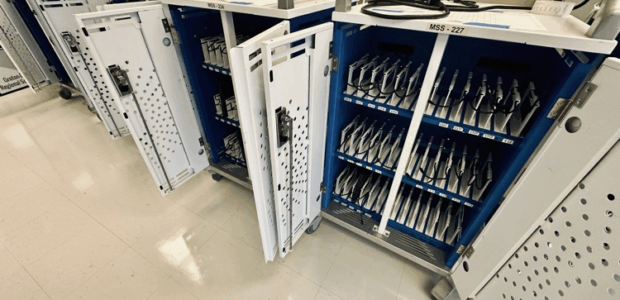
In an era when nearly every student has access to a device (or two, three, or five), it’s easy to assume we’ve achieved equity in educational technology. However, handing out Chromebooks or iPads is just the beginning. True equity not only ensures access to the hardware but also guarantees educational impact and effective use of the devices. It’s about how technology is used, by whom, and to what end.

In my work with digital learning, filtering, instructional tools, and student wellness, I’ve seen how quickly “1:1” can become “1 to lost”…if we’re not thoughtful. So, what does equitable technology usage look like? Here’s what I believe… Read more…


Beyond the Device: Overlooked Pitfalls of 1:1 Programs…and What Schools Must Do First

As schools across the country race to equip students with Chromebooks, iPads, and laptops, a critical question often gets overlooked: Are we truly ready?

More importantly, do we have the vision, support, and systems to ensure these devices foster deeper learning rather than become another screen in an already (deeply) saturated digital world?

Like many educators, I’ve seen firsthand how adding more screens to students’ lives, especially without the right guardrails, has unintended consequences. Research is catching up with what teachers have felt for years. Read more…

Managing Digital Distractions: Addressing the Shift from Phones to Other Devices

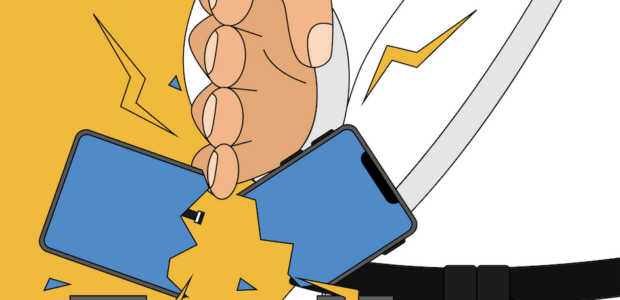
High school students face significant challenges with social media use during instructional time, a concern shared by educators, including teachers, paraeducators, and administrators. With social media access unblocked or lenient smartphone policies, we are losing precious minutes meant for learning. Even when a smartphone or device is out of sight, the cognitive hook of a digital distraction can lure a student away from the lesson, and it can take 23 minutes to recover. In short, we must protect instructional time. Protecting instructional time requires clear boundaries with students, which may include implementing or adopting new policies on 1:1 programs, device filtering, and hard stops on device use at night (among other ideas). This could also include guidelines for communicating with parents, especially when parents encourage their children to use social media to connect. Read more…

When Passion Overcomplicates the Solution

Sometimes, when we unpack a concern and offer solutions, we lose the forest for the trees. It’s easy to get caught up in details, and I’m guilty of this. Too much context can obscure an issue’s seemingly obvious conclusion or solution. For leaders and problem-solvers, the key is to present clear, concise recommendations upfront. If the minutiae become overwhelming, simplicity is often the best path forward.

A guiding principle I often return to is: Don’t check your passions at the door. However, not everyone shares the same passion for a particular issue. Many may lack the interest or bandwidth to dive deep into identifying problems and designing solutions. Read more…

A Year in Review: Groton-Dunstable 2024 Report

In 2024, the Department of Technology & Digital Learning replaced over 80 teacher laptops across the district, ensuring educators have up-to-date devices to support digital instruction and streamline administrative tasks. Additionally, the highly anticipated opening of the new Florence Roche Elementary School was a significant milestone, bringing cutting-edge technology designed to enhance both learning and security. The new building features interactive TouchView teaching panels in every classroom, 115 security cameras to support a safe school environment, and a state-of-the-art Extreme Wireless and HPE/Aruba network to provide seamless connectivity for students and staff. Read more…