My Thoughts

Sharing my thoughts and ideas on infusing technology in education, connecting this back to life...Always focus on the learning, not on the technology.

A Year in Review: Groton-Dunstable 2025 Report

The Department of Technology & Digital Learning advanced several initiatives to modernize instructional technology, strengthen digital equity, improve student focus through intentional policy, and safeguard the digital environment for staff and students. All of these efforts work together to enhance teaching and learning, ensure equitable access to technology tools, and establish the conditions necessary for a high-quality education.

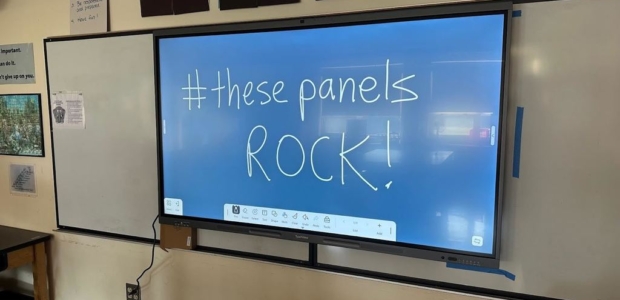
We are completing a multi-year modernization of classroom technology, replacing outdated projectors with interactive teaching panels. Following earlier installations at the elementary level, our most recent phases deployed units at Middle School North, the Marion Stoddart Building, and the Boutwell Early Childhood Center. With more than 150 interactive panels available in academic locations, the district has significantly expanded its capacity to support universal design for learning principles and provide faculty with modern instructional tools. Read more…

Sharing is Caring: How Massachusetts Districts Are Navigating YouTube Changes

Earlier in 2025, smack dab in the middle of the school year, Google made adjustments to its Additional Services, including a new parental-permission requirement for YouTube. In years past, students and staff had unfettered access to YouTube with Safe Search enabled, which still allowed significant non-academic video viewing. Continuing, Google wouldn’t sign a student data privacy agreement for these additional services, and kicked this back to school districts to get parental consent.

Google’s spring changes raised immediate questions for school districts, including my own: How should we manage student access to non-core services (like YouTube)? What role should teacher-embedded videos play, or is a complete block necessary? And how do we balance instructional needs with compliance and student safety? Read more…

With FERPA Enforcement Weakened, Who Will Step Up to Protect Student Data?

The recent and substantial workforce reductions at the U.S. Department of Education (DOE) are not simply internal matters. The cuts represent a critical weakening of the systems that public school districts rely on to protect students’ rights, particularly in data privacy. With significant reductions affecting the Family Policy Compliance Office (FPCO), the federal oversight body responsible for enforcing our favorite acronym, FERPA, or the Family Educational Rights and Privacy Act. The landscape of student data protection is changing…and not for the better. Read more…

Why Simply Asking Parents for Consent Is Not a Fix for Student Data Privacy

As school districts adjust to Google’s updated terms for Additional Services, which significantly impact YouTube, Maps, Translate, and Earth, some educators may wonder aloud, ‘Why not just obtain parental permission and continue using it?’ I could curse Google, but I see an opportunity in what they have presented to school districts nationwide. On the surface, gathering consent for Google’s Addtional Services (i.e., YouTube) to market and collect data on students under 18 can be considered a reasonable workaround. Still, in practice, it is anything but ethical or straightforward. School leaders should focus on meeting strict privacy standards rather than requiring parents to forgo safeguards through a parental consent form. Read more…

What Does Equitable Technology Usage Really Look Like in Schools?

In an era when nearly every student has access to a device (or two, three, or five), it’s easy to assume we’ve achieved equity in educational technology. However, handing out Chromebooks or iPads is just the beginning. True equity not only ensures access to the hardware but also guarantees educational impact and effective use of the devices. It’s about how technology is used, by whom, and to what end.

In my work with digital learning, filtering, instructional tools, and student wellness, I’ve seen how quickly “1:1” can become “1 to lost”…if we’re not thoughtful. So, what does equitable technology usage look like? Here’s what I believe… Read more…